
Originally published in Portuguese on July 23, 2020. Read the original.
Analyzing Boy and the World
Boy and the World (O Menino e o Mundo) came out in 2014 and was re-released in 2016 thanks to its reception with audiences and critics. Spoiler: it’s one of the best Brazilian animated films out there — most likely because of all the care the team at Filme de Papel put into it.
IMDb describes it, in short, as a cautionary tale about globalization told through a child’s eyes, combining imagery and music to deliver a deep, powerful message about the dangers of a massified economy, mind and soul.
So there are a few small things I wanted to point out about the film’s brilliance. This is just my own interpretation from watching it — it may or may not match what the director meant, but that’s the beauty of art.
Starting from the beginning

I work in motion design, and I have to say the opening scene with moving shapes was a treat for me — and its meaning is really cool. Circles, squares and random shapes form kaleidoscope-like patterns. But they mean something: the start of something. A single molecule was the beginning of everything, and from it the camera zooms out until it reveals the object in question. A colorful stone. A treasure.
Understanding the protagonist
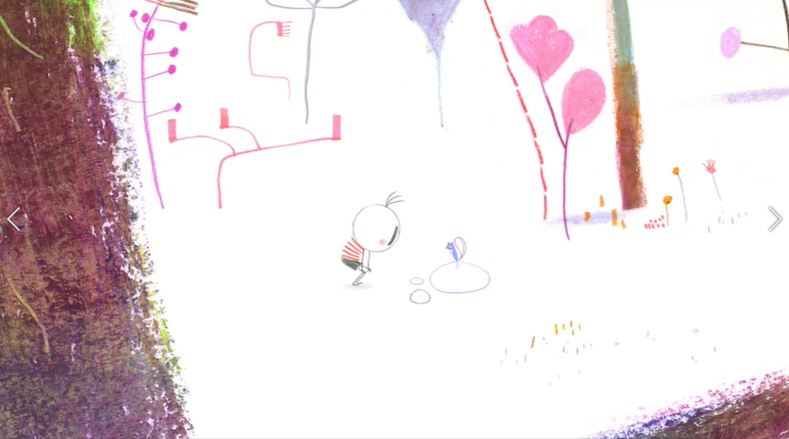
The first sequence with the boy has one job: to show who he is, fast. And it works — we see a very curious, sweet and adventurous kid. They also show how brave he is. You understand the character completely in just 5 minutes. Soon we meet his parents and understand he has a very special bond with them.
Music is the connection
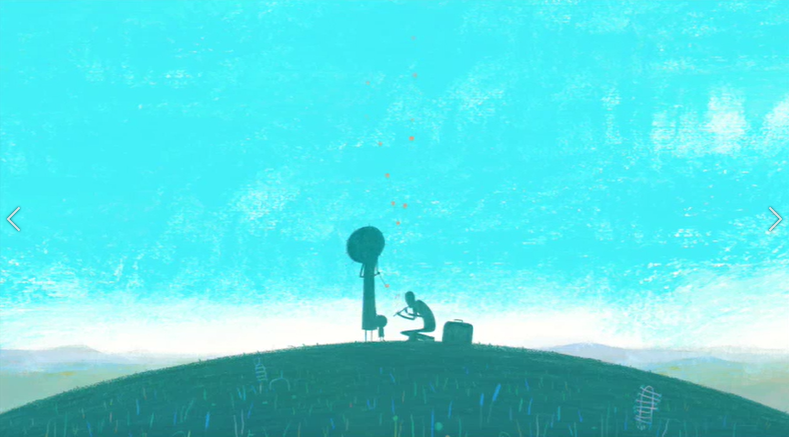
One of the most important things in the film is music and what it represents. Visually, music is drawn as circles floating in the air, but I feel these circles also stand for people’s feelings — good or bad. We understand what connects the father and the boy through the music scene, when the father plays for his son. The boy wants to keep that circle, that feeling, for himself. The treasure he hides in the following sequence is exactly one of those musical circles.
The departure
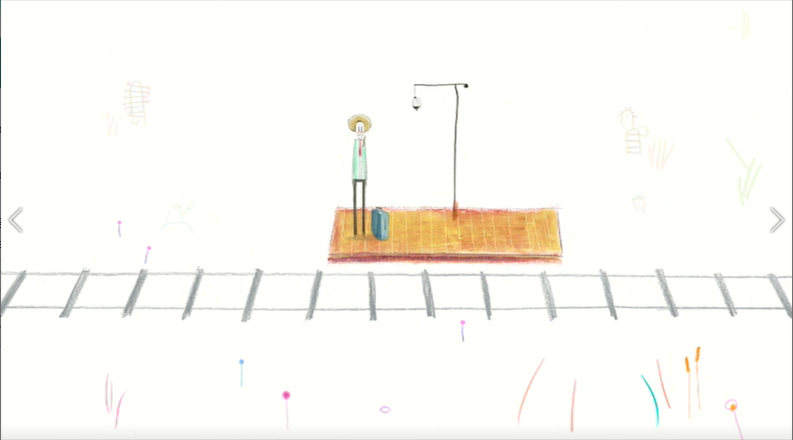
The father’s departure is sad, but it directly references the history of rural exodus in Latin American countries: families looking for better conditions in big cities, lured by promises of jobs and money. Graciliano Ramos wrote a lot about the hardships of people from Brazil’s Northeast (which he lived through himself) facing droughts and a lack of basic supplies, and the film draws on that. Here the hero’s mission is set: the boy misses his father and goes after him.
Mode of production
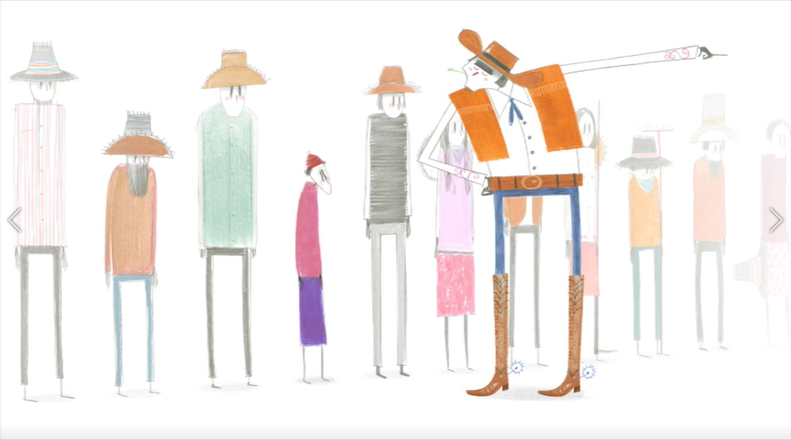
The critique of capitalism begins the moment the boy leaves home. He meets a worn-out man in poor health. They both head out to their routine picking cotton, and the film shows how these workers were completely disposable to the system: at the first sign of frailty, a person was let go. Yet another reference to something that still happens today.
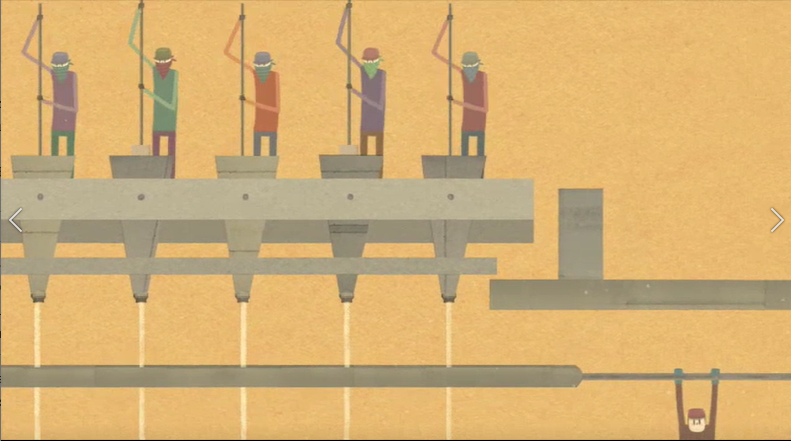
Another scene showing this mass, worker-unfriendly labor is the textile factory. We get an introduction to how it works and how many people are involved. By the end of the film, we see the bosses firing them and replacing that workforce with machines. These people lose their livelihood.
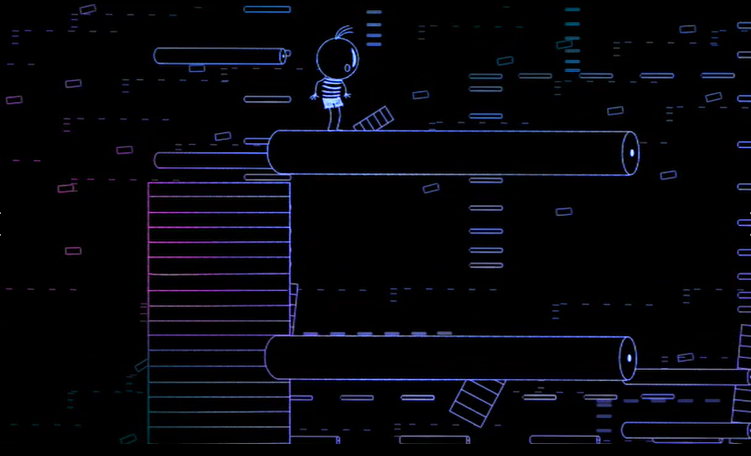
It also shows how the products people make don’t belong to them. We see this when the film reveals where the fabric goes: a floating country (almost alien, “first world”), with gigantic military power, where everyone lives a privileged life sustained by the labor of other countries that supply raw materials for next to nothing — only to sell the clothes back to those same countries at exorbitant prices. A direct critique of our relationship with the US.
The dictatorship
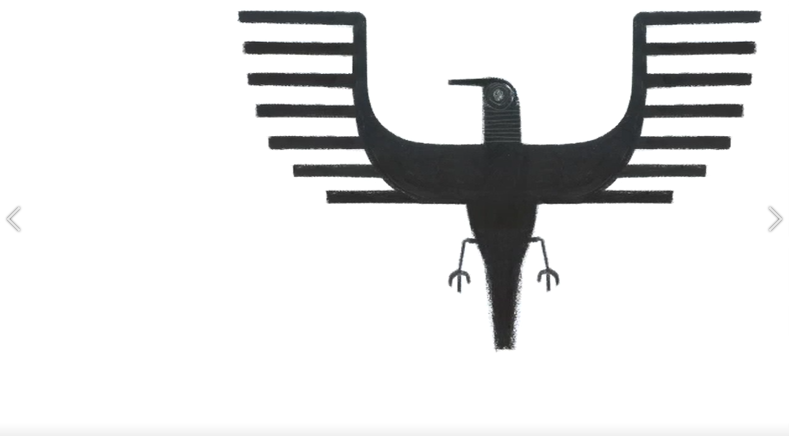
Also critiquing the US is the fact that it backed several dictatorships in Latin America to prevent communism in any of those countries — which forced us to lose our freedom and our democracy. The film shows this in the fight between two birds. On one side, a bird made from the people’s culture, a colorful and majestic phoenix; on the other, an eagle made of shrill, funereal sound. The black bird defeats its opponent — an analogy for the loss of our freedom during the dictatorship.
The Dark-style twist of Boy and the World
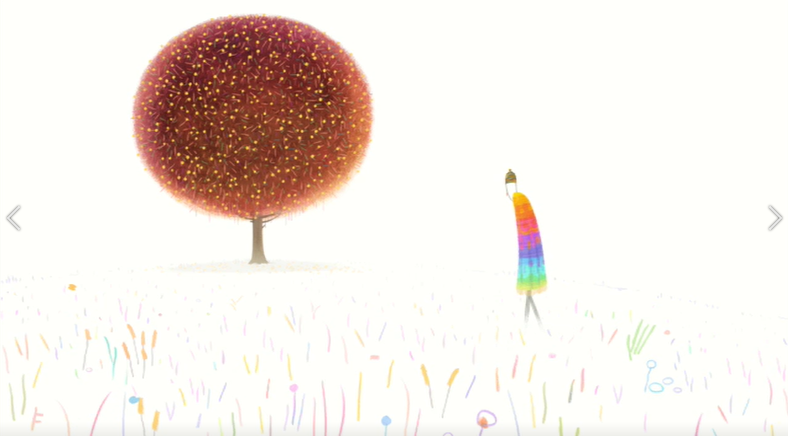
The film’s biggest reveal is that, in the end, all the characters the boy met were fragments of his own life. He had become that dreamy young man who, for lack of opportunities, never got access to a comfortable life. But he leaves a message at the end: don’t stop dreaming — the next generation will make a difference for our society. We see this in the scene where the phoenix is reborn: hope for a more equal, fairer society, where everyone has access to humane living conditions.
What to take from all this?
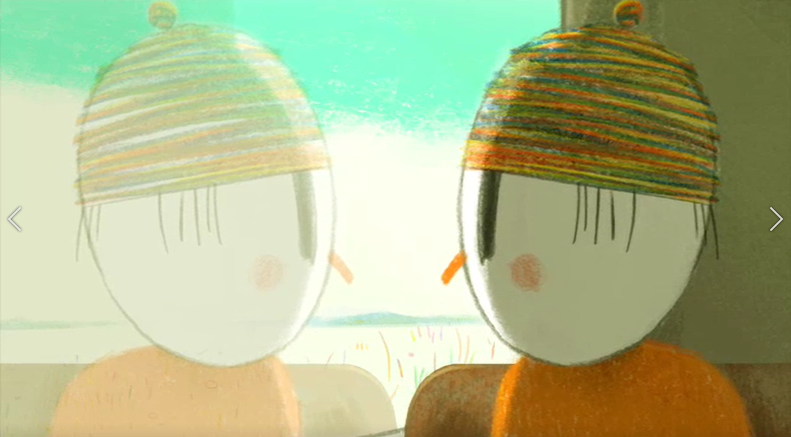
I could write much more about the film’s analogies, but I think I’ve already shown how brilliant it is. It has many sad moments, but in the end it gives us hope for the future. Brazil is an amazing country, and even with the difficulties we’re facing with our leadership (especially during the pandemic), we have to keep faith and act to give future generations a more sustainable, fairer and more humane place.

Here’s the video I made about this film (in Portuguese). Feel free to watch it and subscribe to the channel.
Love, Likus.