Originally published in Portuguese on January 8, 2024. Read the original.
2024 marks a historic moment for fans and creators of Disney-related content. The beloved Mickey Mouse has entered the public domain, an event that raises a series of questions about how we can interact with this iconic figure. In this piece I explore the legal implications of the transition, what we can and can’t do with Mickey, and how this change may influence creativity and pop culture.
Mickey Mouse in the public domain: a complex transition
To fully understand what it means for Mickey to enter the public domain, we first need to understand the term itself. The public domain is the legal status of a work that is no longer protected by restrictive copyright. In practice, the general public is free to use, modify and distribute that work.
For Mickey Mouse, this means that many aspects of the original creation, such as the earliest cartoons and comics, are now available to everyone without restrictions. It is crucial to note, however, that not every element related to Mickey automatically becomes public domain, and the legal implications can vary depending on several factors.
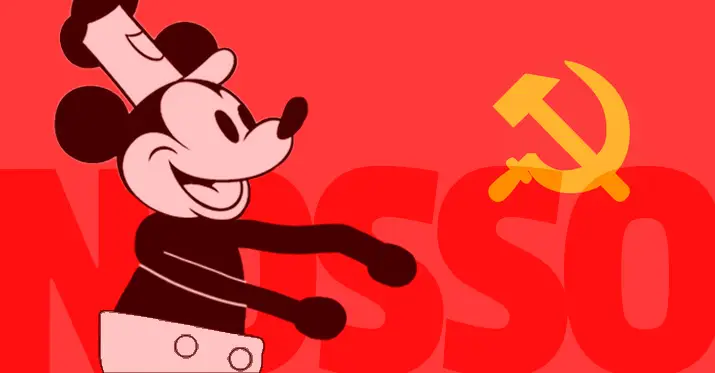
What entered the public domain are the 1928 works featuring Mickey, such as the Steamboat Willie cartoon, in which Mickey appears in black and white, without gloves and with solid, filled-in eyes.
What can we do? Exploring the creative possibilities
Personal, non-commercial use
Now that Mickey Mouse is in the public domain, fans are free to create art, memes and inspired content for personal use without worrying about copyright infringement. This opens the door to wider creative expression, letting admirers explore new ways of interacting with the character.
Education and research
Mickey entering the public domain benefits educators, students and researchers, who can now use the character in academic projects without copyright restrictions. This creates opportunities for in-depth analysis of how the character has evolved over time and of his cultural impact.
Creating new works
With the freedom to use elements of Mickey Mouse in new creations, artists and creators can help expand the character’s universe. This isn’t limited to visual work: it also includes developing new stories, music and even adaptations in different media.
Preserving the legacy
The public domain allows enthusiasts and organizations to preserve and share Mickey’s legacy in innovative ways. That can include restoring classic cartoons, building digital archives open to the public and organizing cultural events that celebrate the character’s history.
What can’t we do? Limitations and legal care
Unauthorized commercial use
Even though Mickey Mouse is in the public domain, it is crucial to understand that certain specific elements may remain protected by other forms of intellectual property, such as trademarks. Unauthorized commercial use of specific Mickey-related elements can still lead to legal action. Also, the later versions of Mickey that came after the famous short are not in the public domain yet. So colors, gloves and a face with a non-white skin tone are not available in the same way.
Attribution and acknowledgment
Even if the work itself is in the public domain, proper attribution still matters. Falsely attributing authorship to Disney or anyone else can lead to legal and ethical problems. Being transparent about attribution is essential, especially in collaborative and derivative projects.
Legal consequences and protection of specific elements
It’s important to recognize that, even with Mickey Mouse in the public domain, legal protection may persist for certain distinctive elements associated with the character. Trademarks, for example, can continue to protect specific logos, outfits and other visual elements identifiable as uniquely Mickey’s. So, when creating content, it’s essential to consider these legal aspects to avoid potential lawsuits.
Exploring the border between old and new
Mickey Mouse entering the public domain not only offers new opportunities but also raises questions about how to balance preserving the legacy with creating new stories. As fans explore and reinterpret the character, it is essential to keep respecting the original work and Disney’s creative vision.
A new chapter in Mickey Mouse’s story
As we reach the 2024 milestone, Mickey Mouse entering the public domain marks a new chapter in the history of this legendary character. The creative freedom this transition brings offers exciting opportunities for fans and creators, while also demanding a careful understanding of the legal nuances involved.
When exploring these creative possibilities, it’s crucial to act ethically and responsibly, respecting both Mickey’s legacy and the legal rights that may still exist. Entering the public domain doesn’t mean a complete absence of restrictions — it means wider borders for artistic and cultural expression.
Ultimately, Mickey Mouse in the public domain is not only an opportunity for creativity to flourish but also an invitation to reflect on how to balance tradition and innovation when preserving cultural icons. May this new chapter in Mickey’s journey inspire new stories, celebrations and meaningful contributions to pop culture.