Originally published in Portuguese on October 1, 2020. Read the original.
I don’t have a great memory
Do you remember the first time the question “what is death?” crept into your mind? I don’t remember my very first memory, but I clearly remember an overwhelming fear of the inevitable.
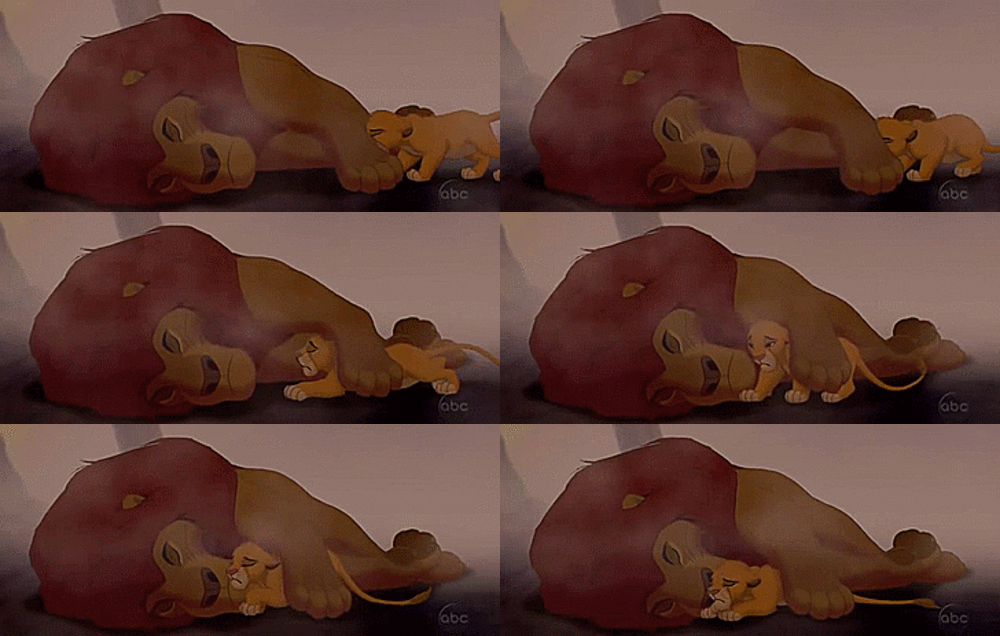
Recently I shared a scene from The Lion King on my Instagram, showing Mufasa’s death, with the caption: “Who else was deeply affected by this scene?”. The reason behind the post is that, as a child, that scene was one of the most painful things I had ever seen in an animated film: Simba trying to wake his father’s lifeless body. It had a deep impact on me — but was it really all bad?
Setting the scene
Death in fiction has always been explored in depth throughout history. From Greek tragedies to Shakespeare, death has always been woven into storytelling. The Lion King itself drew heavily from those sources.
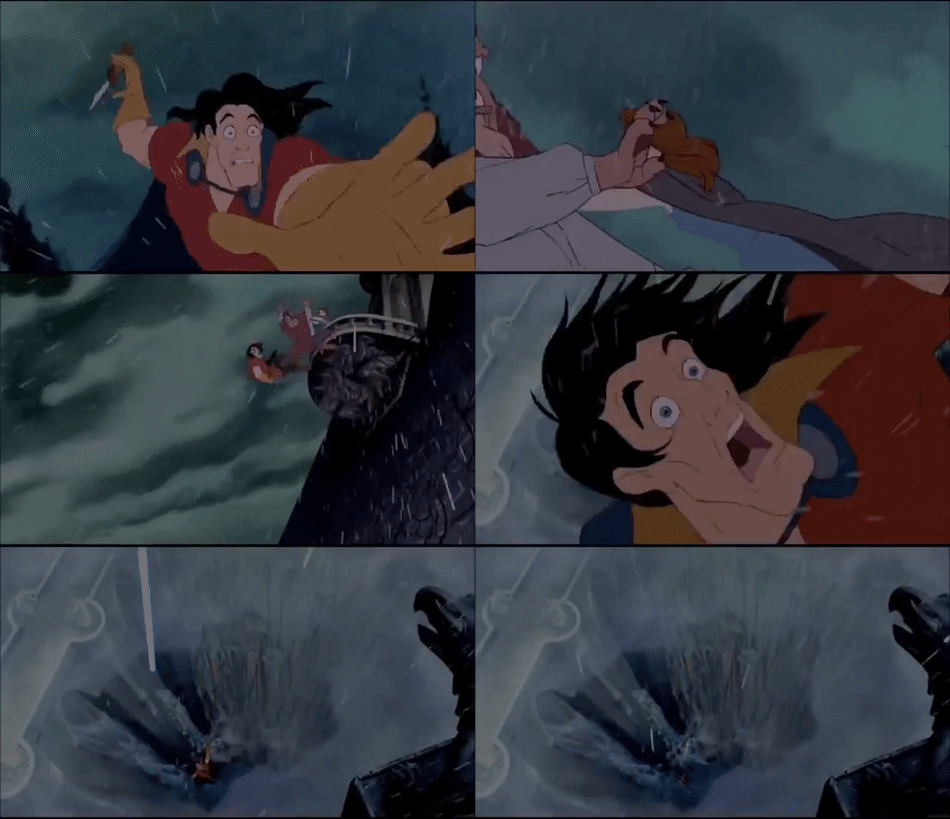
In a study titled “Death in Disney films: implications for children’s understanding of death” (2005), from The College of New Jersey, researchers used a careful methodology to analyze how the deaths shown in Disney films influence children’s perception of the topic. The results were remarkably interesting:
How do children see death?
It’s no surprise that children don’t understand death the same way adults do. That perception is tied to their development as they grow and gather experiences. Until a certain age, children may not grasp that death is inevitable, irreversible, causal and final.
The first stage of grief in children begins with understanding what death is, including recognizing its characteristics and being able to tell when it happens. The second stage involves accepting the reality of death and being willing to deal with the emotions that come with it. That means reflecting on the loss of those who are gone while preserving positive memories to keep an inner connection with the person who died.
The third and final stage involves reorganizing one’s sense of identity and relationships with others and with the surrounding world. At this stage, the child seeks to build solid connections with loved ones without the constant fear of sudden loss, as discussed by Baker et al. (1992).
Let’s look at the data
The study analyzed 10 Disney films, all featuring a death that is essential to the main plot: Snow White (1937), Bambi (1942), Sleeping Beauty (1959), The Little Mermaid (1989), Beauty and the Beast (1991), The Lion King (1994), The Hunchback of Notre Dame (1996), Hercules (1997), Mulan (1998) and Tarzan (1999).
The analysis found 23 death scenes, split almost evenly between protagonists (52%) and antagonists (48%). This balance suggests that death doesn’t discriminate by character: in these films, both the virtuous and the questionable face its inevitability.
What does the data tell us?
The analysis also looked at how these characters died, showing that most protagonists’ deaths were shown explicitly, letting the audience witness the moment directly. According to the study, this has both positive and negative sides. On the positive side, it reflects the reality of death; on the other hand, it can be traumatic (so my gut feeling was right after all! 😂).
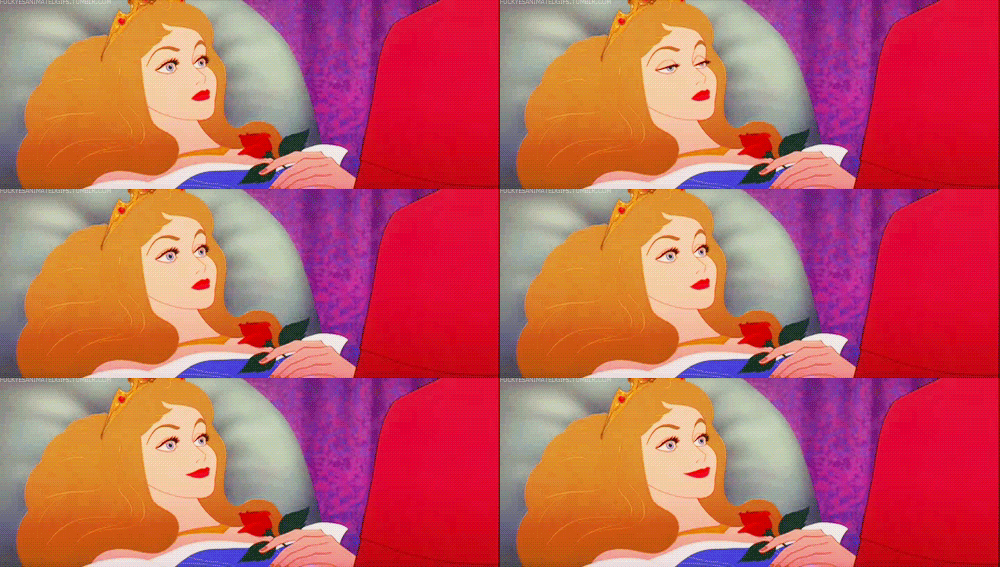
One intriguing finding is that the “sleeping” deaths in older films, like Snow White and Sleeping Beauty, were not permanent — pointing to a possible shift in how the topic was treated over the decades, especially from the ’70s on, as death became less of a taboo.
Another highlight is that villains’ deaths were often portrayed as accidents. Most of the time, these characters met their end through some carelessness or stubbornness, adding another layer of complexity to the stories.

What can we conclude?
Based on the data, the paper concludes that the way Disney films portray death has pros and cons. On the plus side, it works as an introduction to the topic for those just starting out in life. However, we need to be careful about the message a film sends when it depicts the end of life, because death is often presented as a moral consequence — which can send children the wrong message. Death is unpredictable and is not tied to morality.
Animated films play a positive role when they show grief through the protagonists’ eyes, offering a glimpse of the emotional impact of losing a loved one. Still, they shouldn’t be the only way to address the subject. Open conversation, therapy and empathy are the best ways to deal with death, giving children a broader and healthier understanding.

And today?
In recent years, Disney has clearly been addressing loss in a respectful and responsible way, weaving it meaningfully into its biggest Pixar/Disney hits. Frozen 2 explores the loss of Anna and Elsa’s parents, Big Hero 6 deals with the loss of Hiro’s brother, Coco takes us on an adventure through the Land of the Dead to meet our ancestors, Onward handles the loss of the Lightfoot brothers’ father, and Soul explores what comes after life.
The list goes on, but what all these films share is an emphasis on memory and on staying connected to the people who are gone. Their departure is shown as painful and often traumatic, and the grief can last a long time. Yet the central message is the daily practice of keeping good memories alive, building a connection rooted in love with those who are no longer physically here — a story that highlights how important it is to preserve and honor the memory of the people we’ve lost.

Feedback and suggestions are welcome in the comments of the original post — I’ll be happy to read them. Follow me on social media: Instagram, YouTube and TikTok.
Thanks for reading all the way here — see you next time. <3